





One of the most common questions organizations ask when building a sponsorship program is, “Which companies sponsor events?”
It’s a reasonable question—but it’s often the wrong place to start.
Many organizations assume large companies automatically have sponsorship budgets while smaller businesses don’t. Others build “dream lists” without considering whether those companies are actually good sponsorship prospects.
There isn’t a universal list of companies that sponsor events. Every organization has different objectives, budgets, and approval processes.
Some industries simply present more challenges than others.
Understanding those challenges can help you spend less time chasing unlikely prospects and more time building relationships with organizations that genuinely align with your audience and sponsorship objectives.
Related Articles
- How to Get Sponsorship From Local Businesses
- How Sponsorship Benefits a Business: What’s In It For Them?
- Use Audience Data for More Sponsorship Sales
- How to Get Event Sponsors With a Compelling Sponsorship Proposal
Let’s get started!
What Makes a Company a Good Sponsorship Prospect?
Before deciding whom not to approach, it’s worth understanding what makes a company a strong sponsorship prospect in the first place.
Successful sponsorships aren’t built on company size or brand recognition. They’re built on alignment. Sponsors invest when a partnership helps achieve specific business objectives, such as increasing awareness, reaching new audiences, or strengthening customer relationships.
Strong sponsorship prospects typically share several characteristics:
- Serve an audience similar to yours.
- Have clear marketing or community engagement objectives.
- Operate within the markets you reach.
- Have a history of partnerships or sponsorships.
- Can clearly benefit from engaging your audience.
This is why researching potential sponsors is far more valuable than building a list based solely on familiar names.
As we discuss in our guide to how sponsorship benefits a business, organizations sponsor because they expect measurable value, not because they’re looking for opportunities to give back.
Why Some Companies Are Harder to Approach
When organizations struggle to secure sponsorship, it’s tempting to assume certain companies simply don’t sponsor events.
Some companies operate in highly regulated industries, have centralized approval processes, focus heavily on digital marketing, or simply don’t serve audiences that align with your organization.
These factors can make partnerships more difficult without a strong strategic fit. That’s why sponsorship prospecting should focus on qualification rather than assumptions.
Rather than asking, “Does this company sponsor events?“, ask:
- Does our audience align with their customers?
- Can we help them achieve a meaningful business objective?
- Is there a logical reason for them to invest in this partnership?
Those questions often provide much better answers than searching for lists of sponsoring companies.
A Quick Reminder: No industry should automatically be removed from your prospect list.
We’ve seen organizations secure sponsorships from companies that many people assumed would never sponsor events. The goal isn’t to eliminate industries; it’s to qualify prospects based on audience alignment, marketing objectives, and the likelihood of building a mutually beneficial partnership.
Industries That May Require a Different Approach
Some industries consistently require more research, patience, and strategic positioning than others. This means organizations should better understand the factors that often influence sponsorship decisions.
Highly Regulated Industries
Industries such as healthcare, pharmaceuticals, financial services, and regulated gaming often operate under strict advertising and marketing requirements.
Many sponsorship opportunities require multiple levels of legal or compliance review before approval.
Marketing messages may also be subject to regulations that influence how sponsors can activate partnerships, communicate with audiences, or collect participant information.
However, partnerships often involve longer planning timelines and more detailed approval processes than those in less regulated industries.
Large National or Global Brands
It’s easy to assume that the largest brands have the largest sponsorship budgets.
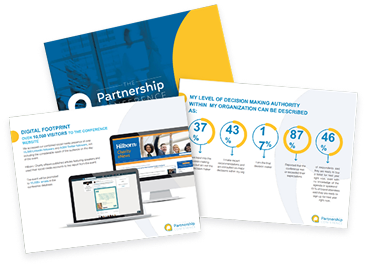
The challenge is that many national and international companies manage sponsorship decisions centrally rather than through local offices.
That means a regional sales representative or local branch may have little influence over sponsorship investments.
Many of these organizations also prioritize sponsorships that support broader national campaigns, established properties, or long-term strategic initiatives.
For local events, building relationships with regional businesses that have local decision-making authority can often be a more productive approach than pursuing the biggest household names.
Business-to-Business Companies With Niche Audiences
Business-to-business (B2B) organizations are sometimes overlooked during sponsorship prospecting because they don’t advertise as visibly as consumer brands.
In reality, many B2B companies do sponsor events, but only when there’s a strong connection between the event audience and their target customers.
For example, an industrial manufacturer may have little interest in sponsoring a community festival but may see significant value in sponsoring an industry conference, a trade association, or a professional development event.
When approaching B2B organizations, clearly demonstrate how your audience aligns with their customers, partners, or decision-makers. The more specific you can be, the easier it becomes to position sponsorship as a business opportunity rather than a branding exercise.
Companies Focused Primarily on Digital Marketing
Some businesses invest heavily in digital advertising, search marketing, social media, and performance campaigns because those channels allow them to measure results quickly.
For these businesses, you will need to demonstrate value beyond impressions or clicks.
These organizations often seek opportunities to generate leads, build relationships, create content, or engage highly targeted audiences. If your sponsorship program can’t clearly support those objectives, they may choose to invest elsewhere.
Businesses With Long Buying Cycles
Organizations operating in sectors such as engineering, infrastructure, commercial construction, or government services often work within lengthy sales cycles.
Their customers aren’t making purchasing decisions after seeing a logo at an event.
Instead, these companies focus on building relationships over months or even years.
For the right audience, sponsorship can absolutely support those goals.
However, decision-making is often slower, budgets are often approved well in advance, and partnerships are typically evaluated through a long-term business lens rather than a short-term marketing lens. Patience and persistence become key when working with these industries.
Don’t Build a “No List,” Build a Better Prospect List
Rather than eliminating entire industries from your sponsorship strategy, focus on qualifying each prospect individually.
The following framework can help prioritize your prospect list.
| Company Characteristic | Strong Sponsorship Prospect | More Challenging Prospect |
|---|---|---|
| Audience alignment | Strong overlap with your audience | Limited or unclear alignment |
| Marketing presence | Active locally or regionally | Primarily national or global |
| Community involvement | Regular partnerships or sponsorships | Limited public involvement |
| Decision-making | Local or regional contacts | Centralized corporate approvals |
| Budget flexibility | Dedicated sponsorship or marketing budget | Highly restricted or fixed budgets |
| Sales model | Benefits of relationship marketing | Relies on procurement or long sales cycles |
Use this framework to guide your research and prioritize the organizations most likely to see value in a partnership, not ones that check off all the boxes.
Using audience data in sponsorship sales helps you understand your audience, making these conversations much more effective.
What to Do If Your Ideal Sponsor Says No
Even well-qualified prospects sometimes decline sponsorship opportunities.
That doesn’t mean the partnership wasn’t a good fit.
Budgets, timing, approval processes, or changing priorities may all influence a sponsorship decision.
Whenever appropriate:
- Ask whether timing was the primary challenge.
- Find out if another department may be a better fit.
- Request feedback on your proposal.
- Stay connected and revisit the conversation during the next planning cycle.
Many successful sponsorship partnerships begin months, or even years, after the initial conversation.
The Best Sponsorship Prospect Is the Right One
When organizations ask which companies sponsor events, they’re often hoping for a definitive list.
In reality, the strongest sponsorship strategies begin with a different question:
Which companies have the greatest reason to partner with us?
The answer rarely depends on company size or industry alone.
It depends on audience alignment, shared objectives, thoughtful research, and a partnership that creates value for both organizations.
Rather than chasing the biggest brands, focus on building a qualified prospect list aligned with your strategy. You’ll spend less time pursuing unlikely opportunities and more time developing relationships that lead to sustainable sponsorship revenue.
At The Sponsorship Collective, we help organizations replace guesswork with structured sponsorship strategies that identify the right prospects, build stronger proposals, and create partnerships designed for long-term success.
Frequently Asked Questions
Do all large companies sponsor events?
No. While many large organizations invest in sponsorship, others prioritize other marketing channels or sponsor only opportunities that closely align with their business objectives.
Which companies are most likely to sponsor community events?
Businesses with strong local or regional connections, community engagement goals, and audiences that align with your event are often good prospects. Audience fit is usually more important than company size.
Why do companies decline sponsorship requests?
Common reasons include budget limitations, competing priorities, timing, approval processes, or a lack of audience alignment. A “no” doesn’t always mean they never sponsor events.
Should I approach companies that have never sponsored before?
Yes. Some organizations may be open to sponsorship if the opportunity clearly supports their business goals. Focus on demonstrating value rather than assuming prior sponsorship experience is required.
How do I know if a company is a good sponsorship prospect?
Look for audience alignment, relevant marketing objectives, community presence, accessible decision-makers, and a clear opportunity for the partnership to create value for both organizations.