





Many organizations use the terms sponsorship deck, sponsorship package, sponsorship proposal, and sponsorship one-pager interchangeably. While they all support sponsorship sales, they serve very different purposes.
Using the wrong document at the wrong stage can create confusion, overwhelm potential sponsors, or slow down the sales process. On the other hand, choosing the right format can help sponsors quickly understand the opportunity, engage in meaningful conversations, and move toward a partnership.
The reality is that sponsorship sales are not built around a single document. They are built around a process. Different sponsorship materials support different stages of that process.
Understanding how and when to use a one-pager, deck, proposal, or package can help organizations create stronger sponsorship experiences and more effective sponsorship conversations.
Related Articles
- Custom Sponsorship Proposal
- The Definitive Guide to Sponsorship Proposals
- How to Create a Sponsorship Proposal That Will Actually Get Read
- What Do Sponsors Want?
- How to Get Event Sponsors With a Compelling Sponsorship Proposal
- Sponsorship Package Essentials
Let’s get started!
Why Sponsorship Documents Are Not All the Same
One of the biggest misconceptions in sponsorship sales is that every sponsorship document should accomplish the same goal.
In reality, sponsors need different information at different stages of the decision-making process.
A company that has never heard of your organization does not need a detailed proposal. Likewise, a sponsor who is ready to discuss a partnership may require much more information than a simple overview document can provide.
This mirrors the different stages of the sponsorship sales process. Early conversations focus on awareness and qualification, while later discussions focus on alignment, recommendations, and partnership development.
Each document should support the conversation that is happening at that moment.
When organizations align the document with the relationship stage, sponsorship discussions tend to be more productive and effective.
What Is a Sponsorship One-Pager?
A sponsorship one-pager is exactly what it sounds like: a concise overview of your sponsorship opportunity.
Its purpose is not to close a deal.
Its purpose is to generate interest.
A strong one-pager typically includes:
- Organization overview
- Audience snapshot
- Event or program highlights
- Key sponsorship opportunities
- Contact information
Think of a one-pager as a conversation starter.
It provides enough information for sponsors to quickly determine whether the opportunity may be relevant to them.
This makes one-pagers particularly useful during early sponsorship prospecting conversations. They are easy to share, simple to review, and effective for introducing opportunities without overwhelming potential sponsors.
For many organizations, a one-pager serves as the first step in the sponsorship sales process.
What Is a Sponsorship Deck?
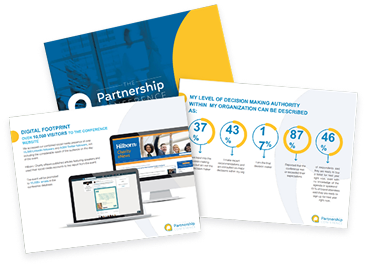
A sponsorship deck is a more detailed presentation document that helps tell the story behind the opportunity.
Unlike a one-pager, a deck is designed to educate and engage.
Most sponsorship decks include:
- Organization background
- Mission and purpose
- Audience information
- Community impact
- Event details
- Sponsorship opportunities
- Activation examples
- Partnership benefits
A deck allows organizations to provide context and create a narrative around the opportunity.
One of the most effective ways to strengthen a deck is by using audience data to tell a stronger sponsorship story. Sponsors want to understand who they will reach and why those audiences matter.
A well-designed sponsorship deck helps sponsors see the bigger picture and understand the value of the partnership beyond simple logo placement.
What Is a Sponsorship Proposal?
A sponsorship proposal is different from both a one-pager and a deck because it is typically customized for a specific sponsor.
Rather than presenting every possible sponsorship opportunity, a proposal focuses on recommended opportunities that align with a sponsor’s objectives.
This is why proposals are usually developed after conversations have already taken place.
A strong proposal often includes:
- Sponsor-specific objectives
- Audience alignment
- Recommended activations
- Partnership benefits
- Measurement strategies
- Investment levels
- Next steps
The best proposals move beyond traditional sponsorship packages and focus on customized sponsorship opportunities.
Instead of asking sponsors to choose from predetermined options, proposals recommend solutions that address specific goals.
This makes proposals one of the most effective tools for advancing sponsorship discussions toward partnership agreements.
What Is a Sponsorship Package?
A sponsorship package is often misunderstood.
Many organizations treat sponsorship packages as sales documents when they are actually better viewed as collections of sponsorship assets and opportunities.
A package typically outlines:
- Available inventory
- Sponsorship benefits
- Activation opportunities
- Pricing structures
- Partnership levels
Packages can be useful for organizing valuable sponsorship assets and understanding what opportunities are available.
However, packages are not always the most effective sponsor-facing document.
Sponsors rarely make decisions based solely on inventory lists.
Instead, they want to understand how those assets help achieve specific objectives.
For this reason, many organizations use packages internally while relying on decks and proposals for sponsor conversations.
Deck vs. One-Pager vs. Proposal: Quick Comparison
Although these documents work together, they serve different purposes.
| Format | Primary Purpose | Best Use |
| One-Pager | Generate interest | Initial outreach |
| Deck | Educate and engage | Sponsor discussions |
| Proposal | Recommend solutions | Partnership development |
| Package | Organize inventory | Internal planning |
The information sponsors actually want to see will vary depending on where they are in the decision-making process.
- A one-pager helps determine interest.
- A deck builds understanding.
- A proposal creates alignment.
- A package helps organize opportunities behind the scenes.
Using each document appropriately can make sponsorship conversations significantly more effective.
Which Sponsorship Format Should You Use by Scenario?
Different organizations often benefit from different combinations of sponsorship materials.
Events
Many event organizers use a one-pager to initiate conversations, a deck to present opportunities, and a proposal to finalize recommendations.
Associations
Associations often rely heavily on decks because audience information, member engagement, and year-round opportunities require additional explanation.
Nonprofits
Nonprofits frequently benefit from one-pagers for outreach and customized proposals for interested sponsors.
Creators and Podcasts
Many podcast sponsorship opportunities begin with a media kit or one-pager outlining audience demographics, content themes, and engagement metrics, then progress to customized proposals.
Recurring Programs
Organizations running recurring sponsorship programs often rely on decks to explain the broader program and proposals to recommend customized partnership opportunities.
The best format depends less on organization type and more on the stage of the sponsorship conversation.
Common Mistakes When Creating Sponsorship Materials
Even well-intentioned sponsorship documents can pose challenges if not developed strategically.
Some of the most common proposal mistakes include:
- Including Too Much Information: More information does not necessarily create more value.
- Sending Proposals Too Early: Proposals work best after sponsor objectives are understood.
- Treating Packages as Proposals: Inventory lists rarely replace strategic recommendations.
- Ignoring Audience Data: Sponsors want evidence of audience relevance.
- Using Generic Messaging: Customization creates stronger sponsorship conversations.
The goal should always be clarity, relevance, and alignment rather than volume.
How to Build a Better Sponsorship Proposal Process
The strongest sponsorship sales processes focus less on documents and more on relationships.
A typical process might include:
- Qualification: Identify whether the sponsor is a good fit.
- Discovery: Learn about sponsor objectives and priorities.
- Audience Analysis: Gather information to help develop stronger sponsorship recommendations.
- Recommendation Development: Create opportunities that align with sponsor goals.
- Proposal Presentation: Present customized recommendations.
- Agreement: Formalize the partnership using appropriate sponsorship agreements and documentation.
When documents support a structured process, sponsors receive more relevant information and organizations improve their chances of success.
Final Thoughts on Sponsorship Decks, One-Pagers, and Proposals
A one-pager introduces opportunities. A deck tells the story. A proposal recommends solutions. A package organizes available assets. Each format plays a valuable role within the sponsorship sales process.
Organizations that understand these differences can create better sponsor experiences, build stronger partnerships, and improve sponsorship outcomes. If you’re looking for help building sponsorship materials that actually convert? Our team helps organizations create sponsorship strategies, proposals, and partnership frameworks designed around sponsor objectives.
Frequently Asked Questions
What is the difference between a sponsorship deck and a sponsorship proposal?
A sponsorship deck presents opportunities and tells a story, while a sponsorship proposal provides customized recommendations designed for a specific sponsor.
Should I send a sponsorship proposal first?
Generally, no. Sponsorship proposals tend to be most effective after conversations have taken place and sponsor objectives are understood.
What should be included in a sponsorship one-pager?
A concise overview of your organization, audience, sponsorship opportunity, and contact information.
Are sponsorship packages still useful?
Yes. Sponsorship packages can help organize opportunities and inventory, although they are often most effective as internal planning tools.
Which sponsorship format is best for nonprofits?
Many nonprofits benefit from using a one-pager during outreach and a customized proposal once sponsor interest has been established.